ECONIC
We Are Econic – Redefining Sustainability
ECONIC
We Are Econic – Redefining Sustainability
Introduction
If you’ve ever searched for eco-friendly products, you’ve probably come across the terms biodegradable and compostable. At first glance, they seem interchangeable both suggest that the product eventually breaks down. But in reality, there’s a crucial difference between the two, and understanding it can help you make better choices for the planet.
At Econic, we focus on creating compostable solutions from palm leaves, sugarcane bagasse, bamboo, and cornstarch. Our mission is not just to replace plastic but to ensure our products return to nature in the healthiest way possible. Let’s break down the difference.
What Does Biodegradable Mean?
Biodegradable products are those that can be broken down naturally by microorganisms like bacteria and fungi.
Pros of Biodegradable Products:
The Hidden Problem:
Biodegradable doesn’t always mean safe. Some products labeled “biodegradable” can take years to break down, leaving behind microplastics or toxins that harm ecosystems. For example, a “biodegradable plastic bag” might decompose faster than traditional plastic, but it still contributes to pollution.
What Does Compostable Mean?
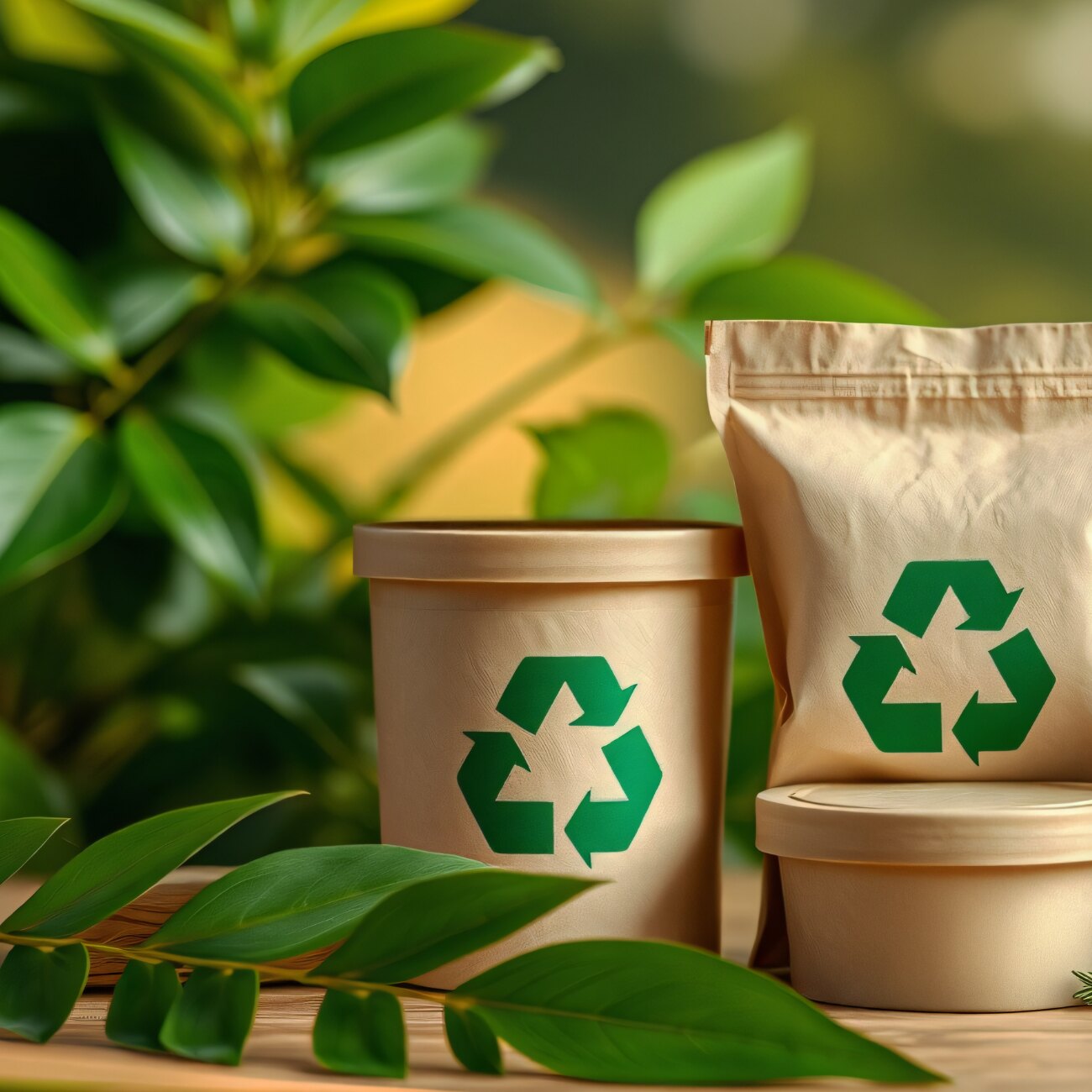
Compostable products are designed to break down into non-toxic, nutrient-rich soil under the right conditions.
Benefits of Compostable Products:
At Econic, every product from palm leaf plates to bagasse bowls is certified compostable, ensuring that what you use today helps regenerate tomorrow’s soil.
Why the Difference Matters
Imagine tossing a biodegradable cup into the environment it may take years to disappear, and in the meantime, it can harm animals or leak toxins. Compostable items, however, safely return to the soil within months.
For businesses, the distinction is also critical. Many plastic bans in the UAE and across the GCC specifically require compostable, not just biodegradable, products. Choosing Econic ensures compliance while protecting the planet.
Examples from Econic
Conclusion
Biodegradable is good but compostable is better. The difference lies in safety, speed, and soil regeneration. With Econic, you can rest assured that every purchase contributes to a circular, waste-free future.
