ECONIC
We Are Econic – Redefining Sustainability
ECONIC
We Are Econic – Redefining Sustainability
Introduction
Step into any modern kitchen, and you’ll notice a contradiction: while we embrace healthier eating, we often still serve meals in disposable plastic bowls, plates, and cutlery. These so-called conveniences are among the biggest contributors to global plastic waste. Every year, billions of plastic kitchenware items end up in landfills, rivers, and oceans taking centuries to decompose.
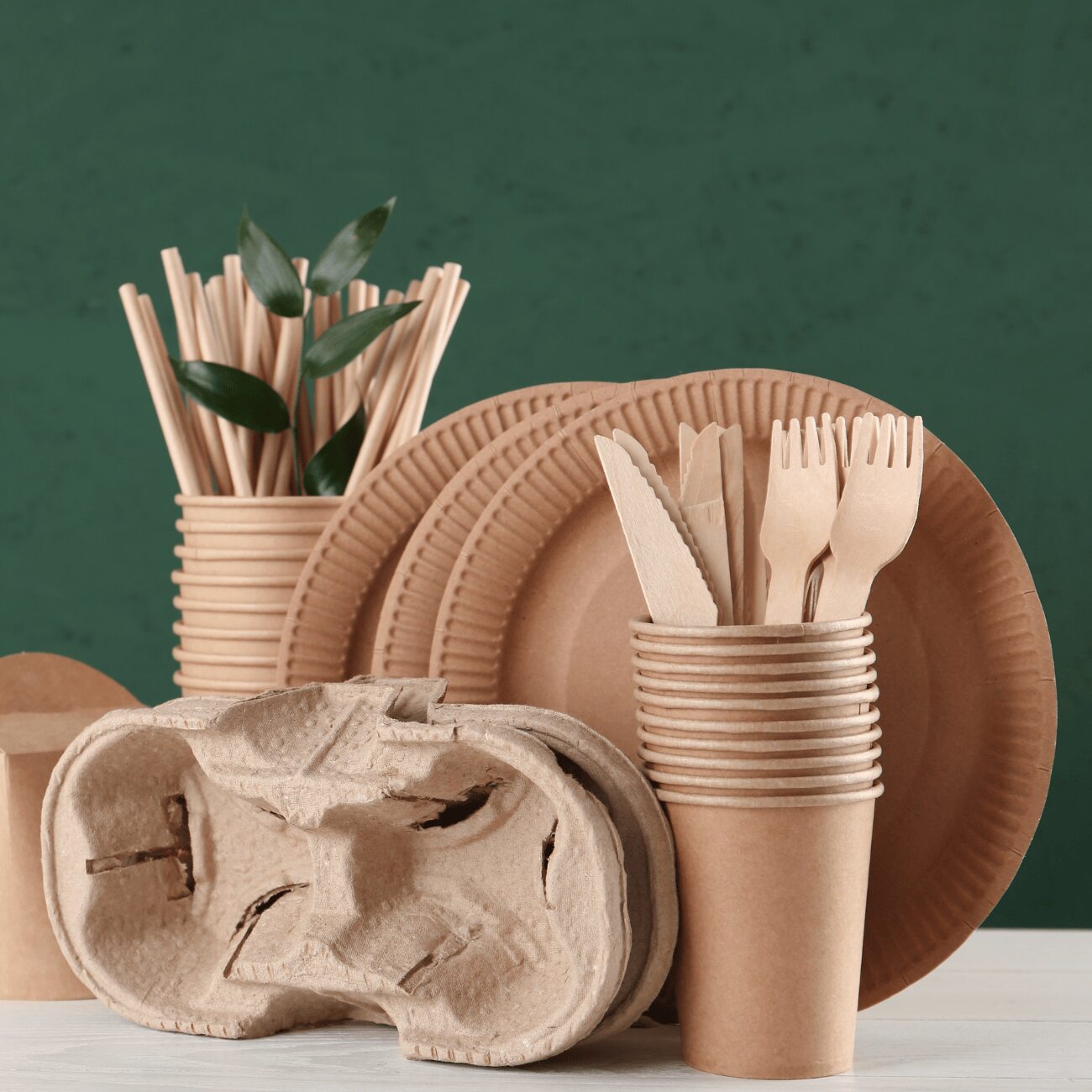
The world is waking up to this crisis, and the future is shifting toward eco-friendly, compostable kitchenware. Materials like palm leaves, sugarcane bagasse, and bamboo are no longer niche they’re leading the charge in replacing plastic with smarter, greener alternatives.
At Econic, we’ve built a brand around this transformation, crafting over 100+ eco-friendly SKUs across kitchenware and tableware. Let’s explore why these natural materials are redefining sustainability.
Palm Leaf Kitchenware: Nature’s Elegance
Palm leaves have been used traditionally in parts of Asia for centuries, but today they’re gaining global recognition as a plastic alternative.
Why Palm Leaf is the Future
Econic’s Palm Leaf Range includes dinner plates, oval bowls, and even creative shapes like stars and hearts ideal for homes, restaurants, and special events.
Sugarcane Bagasse: The Power of Agricultural Waste
Bagasse is the fibrous byproduct left after extracting juice from sugarcane. Instead of being discarded, it’s repurposed into strong, compostable products.
Why Bagasse is a Game-Changer
Econic’s Bagasse Bowls & Containers are especially popular with restaurants and cafés looking to replace plastic takeaway packaging with sustainable solutions.
Bamboo Kitchenware: The “Green Gold”
Bamboo grows incredibly fast up to a meter a day and requires no fertilizers or pesticides. This makes it one of the most renewable resources on Earth.
Why Bamboo is Trusted Worldwide
Econic’s Bamboo Line includes cutlery sets, straws, stirrers, and chopping boards combining practicality with sustainability.
The Bigger Picture: A Circular Economy
Plastic products take centuries to break down, often releasing harmful toxins into soil and water. By contrast, palm leaf, bagasse, and bamboo return to the earth within months, enriching the soil instead of polluting it.
When you choose Econic, you’re not just buying products you’re supporting:
Conclusion
The future of kitchenware is compostable, sustainable, and elegant. Palm leaf, bagasse, and bamboo are more than materials they represent a movement to protect our planet and redefine the way we live.
At Econic, we believe sustainability shouldn’t be a choice it should be the standard. By choosing our eco-friendly products, you’re investing in a waste-free future for generations to come.
